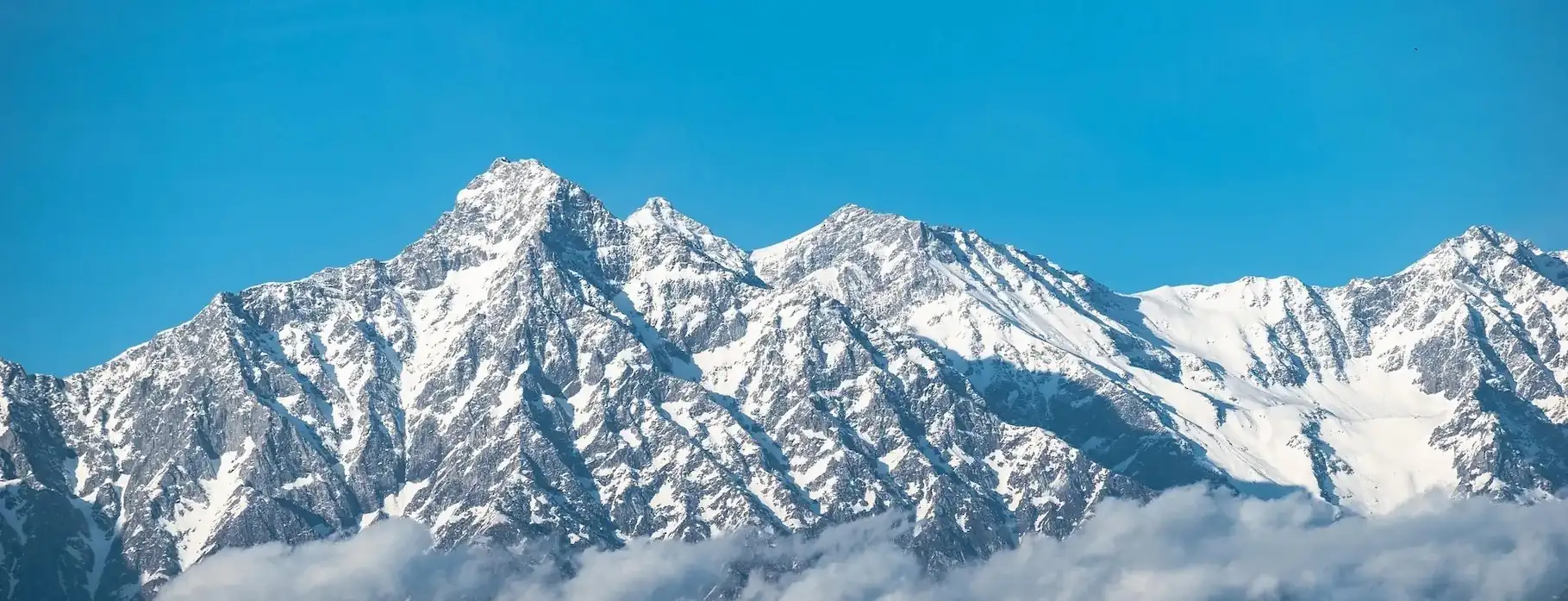
Lobuche Peak Climbing is a fairly challenging yet highly rewarding adventure offering great views of the towering Himalayan giants, including Mount Everest, Lhotse, Ama Dablam, Nuptse, and Pumori. It is ideal for climbers who want to increase their experience because the climb involves steep snow and ice slopes that require sound mountaineering techniques. If combined with the Everest Base Camp trip, it offers the possibility to see some of the most outstanding and culturally varied regions of the Himalayas and merges these two loves into one super experience: peak climbing and trekking.
This is coupled with a hike to the Everest Base Camp, which always goes side by side with acclimatization before the actual ascending. Generally, trekkers realize the incomparable beauty and high passes within the stunning vistas of the entire route right from the start.
The adventure starts with a short, scenic flight from Kathmandu to Lukla, the gateway to the Everest region. It takes about 40 minutes and offers great views of the Himalayan landscape right from the beginning. After landing in Lukla, the trek starts with a gentle gain in altitude as one heads toward Phakding, passing through lush green forests and picturesque Sherpa villages. It then follows on to the vibrant, bustling hub of the Everest region: Namche Bazaar. It indeed offers the first real taste to trekkers of the Sherpa culture and lifestyle in the mountains. On the route to Namche, it’s also an acclimatization stop before scaling up further into higher altitude areas.
After a day of acclimatization in Namche, the trek continues to Tengboche, a very beautiful village that offers marvelous views of Ama Dablam and Everest, plus an historic Buddhist monastery, one of the most famous spiritual centers in the region. It proceeds to Dingboche, another Sherpa village lying against the backdrop of towering hills. Another day of acclimatization is spent here, allowing your body to adjust to the greater elevation before continuing on into the mountains.
You ascend gradually from Dingboche to Lobuche, a high-altitude community on the Khumbu Glacier. The final settlement before Everest Base Camp, Gorak Shep, is reached by continuing the journey. Climbing to Kala Patthar (5,545 meters), a well-known viewpoint offering some of the most iconic and stunning views of Mount Everest, Nuptse, and the surrounding peaks, is one of the trek’s highlights. Additionally, the ascent is an essential way to acclimate to an impending peak climb.
Lobuche Peak Climb
The real mountaineering adventure in fact starts the moment you leave the main trek route and start heading up toward Lobuche Base Camp; the Everest Base Camp Trek is done. Limelight now shifts to preparation regarding the peak climb. Expert climbing guides will ensure in one detailed training session that you get comfortable and conversant with the use of technical mountaineering equipment such as ropes, crampons, and ice axes.This training is a must for beginner climbers and for those with some experience who want to fine-tune their skills before the summit push.
Having spent a night at Lobuche Base Camp, this group will head up to High Camp at 5,400 meters. It is a relatively short ascend to High Camp but the terrain is rocky. Here at High Camp, one can rest and make all preparations for the summit bid.
Most of the time, the summit attempt is in the early morning, at around 2 a.m., so as to make the best use of the weather and avoid strong winds. Climbing to the top of Lobuche Peak is demanding, though, with steep faces of ice and snow to ascend, but with experienced guides and proper use of technical equipment, it is surmountable even for a physically fit and well-prepared climber. Rewarded, a scenic hike and the panoramic views of these Himalayan giants to the top: from there, one may see Mt. Everest, Lhotse, Nuptse, Ama Dablam, and other peaks not to be missed, unforgettable, which no other trek can offer.
After spending some time at the summit enjoying great scenery and photo ops, climbers head back down to High Camp and great rest. The way down is decidedly easier than the way up but involves some care in negotiating the technical areas.
Return Journey
The following day after the successful ascend of Lobuche Peak, the descent starts by tracing back to Lobuche and joining the main trekking route to Everest Base Camp. Thus, the return journey traces back via Pangboche, Tengboche, and Namche Bazaar to finally reach Lukla for the flight back to Kathmandu. Each day of the descent is always remembered-the time of this great experience that once in a life-time touches a Himalayan peak and crosses the heart of the Everest Region.
Why Choose Lobuche Peak?
Lobuche Peak is, really, a very worthy choice for those trekkers who want to include in their trekking schedule a challenging climb of a high-altitude peak. The climb is classified as moderately technical and requires the use of such mountaineering gear as ropes, crampons, and ice axes. This is a good undertaking for those already experienced in trekking, looking to gain improved mountaineering skills in a guided and controlled environment. Combining the classic Everest Base Camp trek with an exciting summit creates a unique and gratifying experience.
Best Time to Climb Lobuche Peak
The best time to climb Lobuche Peak is in the spring of the year, from March up to May, and in autumn, starting from September up to November of the year. During these months, the weather stays stable and the sky is clear, which makes these seasons just perfect for trekking and climbing. Spring brings flowers like rhododendrons and warmer temperatures, while autumn has cool air and amazingly clear views of the mountains.
Acclimatization and Safety
Proper acclimatization is the key to a successful summit of Lobuche Peak. The itinerary will be designed in such a way that it has several days of acclimatization to minimize the risk of altitude sickness and ensure that physically the climbers are prepared for the ascent. Professional guides, porters, and support staff trained to monitor the health and well-being of the climbers throughout the trek and climb ensure a safe and enjoyable experience.
Best Season to Climb Lobuche Peak:
- Spring (March to May): This is the most popular season for Lobuche Peak climbing and the Everest Base Camp trek. The weather is generally stable, with clear skies and moderate temperatures, making it ideal for trekking and peak climbing.
- Autumn (September to November): After the monsoon season, the skies clear up, offering excellent mountain views. This season has pleasant weather and lower risks of heavy snow or rain, making it another great time for climbing and trekking.
Both seasons offer spectacular views, good weather, and fewer risks of altitude-related health issues due to better acclimatization conditions. Winter and summer (monsoon) seasons are not recommended due to harsh weather conditions, heavy snow, or rain.
What to Expect:
Professional Support: Throughout the journey, you’ll have experienced guides and professional climbers to assist with technical climbing, safety measures, and trek coordination.
Moderate to Strenuous Trekking: The journey to Everest Base Camp and Lobuche Peak involves both trekking and mountaineering elements. Expect to trek for 5-8 hours daily, crossing rugged terrain, steep ascents, and rocky paths.
Technical Climbing Skills: The climb to Lobuche Peak requires some technical climbing skills, including the use of ropes, crampons, and ice axes. Prior mountaineering experience is recommended but not mandatory as training will be provided at Base Camp.
Altitude Challenges: With an altitude of over 6,000 meters, altitude sickness is a possibility, but the itinerary includes acclimatization days to reduce risks.
Cultural Immersion: Experience the rich Sherpa culture, visit ancient monasteries, and learn about the mountaineering history of the region.


 Moderate Trek
 USD $1900 - 2250