Island Peak Climbing – 19 Days
Trip Duration:
19 Days
 Moderate Trek
 USD $1900 - 2250
Local Experts in Everest & Himalayan Treks
Call / WhatsApp
+977 9851400636
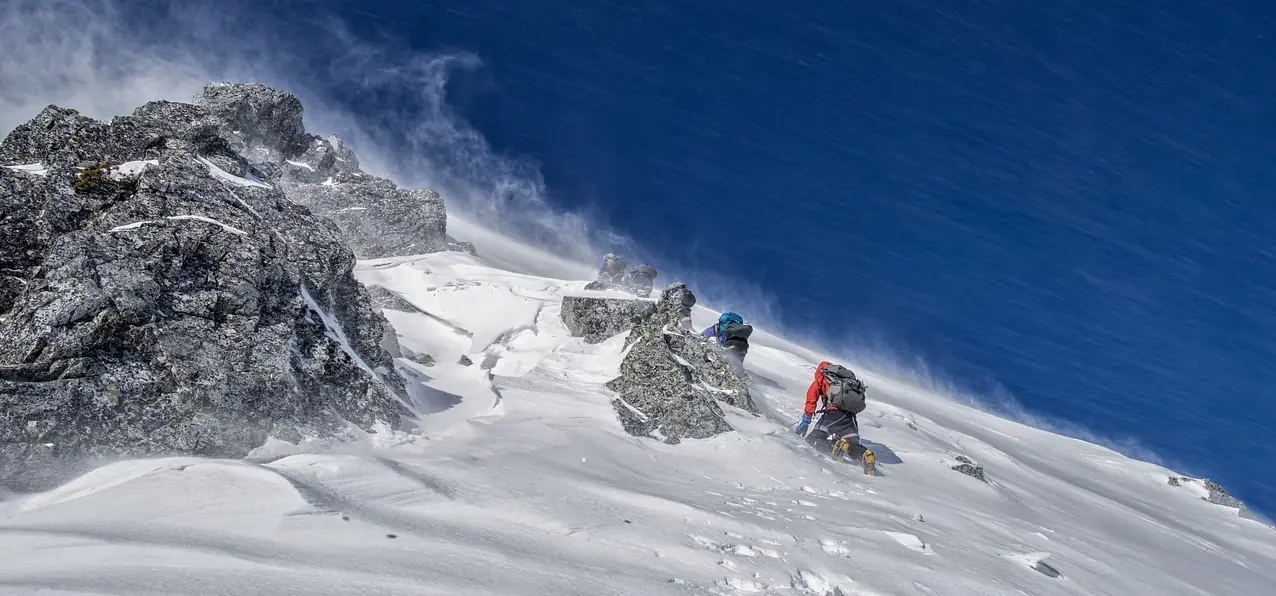
Nepal offers a wealth of opportunities for peak climbing beyond the popular trekking routes. For adventurers looking for a challenge, peak climbing provides an excellent introduction to Himalayan mountaineering. Trekking peaks like Island Peak (6,189 m / 20,305 ft), Mera Peak (6,476 m / 21,247 ft), Yala Peak (5,500 m / 18,045 ft), Pisang Peak (6,091m / 19,978ft), and Lobuche East (6,119 m / 20,075 ft) are some of the most popular peaks for climbers. These easy expeditions allow climbers to experience the thrill of summiting a Himalayan peak while being guided by experienced professionals. It’s the perfect option for those looking to step up their adventure and experience a higher level of mountaineering.
Nepal is a haven for peak climbing enthusiasts, offering an array of trekking peaks that are perfect for climbers looking to step up their mountaineering experience. While Everest and Annapurna are well-known for their massive peaks, there are many more that are accessible to climbers with less experience. Island Peak, Mera Peak, and Yala Peak are popular choices for novice and intermediate climbers.
Climbing a peak in Nepal offers an unforgettable challenge for adventure seekers, with the opportunity to experience the thrill of mountaineering while being surrounded by some of the most awe-inspiring landscapes on the planet. The journey to these peaks often includes acclimatization treks, glacier walks, and technical climbs, making it an exciting and rewarding challenge. Whether you are an experienced mountaineer or looking for a new adventure, Nepal’s peaks provide a stunning and accessible introduction to Himalayan climbing.
Also known as “trekking peaks,” as classified by the Nepal Mountaineering Association (NMA), these peaks typically range between 5,000 m and 7,000 m. Nepal is home to some of the highest trekking peaks in the world, with 15 notable peaks under 7,000 m (22,970 ft). As the name suggests, many of these summits can be attempted during a standard trekking itinerary, ultimately leading climbers to the top. However, scaling them requires a separate climbing permit along with applicable fees.
While most trekking peaks in Nepal are considered non-technical from a mountaineering perspective, climbers must be in good physical condition and possess a strong sense of adventure, especially at high altitudes. Nepal truly is a mountaineer's paradise, boasting over a thousand peaks above 6,000 m and more than 300 officially open for mountaineering. Peaks under 6,500 m fall under NMA regulation, while those above are managed by the Ministry of Tourism. Generally, peaks are categorized as follows: 6,000–6,500 m as trekking peaks, 6,501–7,000 m as mountain expeditions, and 7,001–8,848 m as major expeditions. Interestingly, some popular peaks under 6,000 m, such as Yala Peak, require no climbing permits.
Costs vary depending on the height of the peak and the climbing season. For peaks between 6,000 m and 6,500 m, prices range from USD $175 to $350 during peak seasons. For climbs above 6,500 m, fees typically range from USD $200 to $500 (not expedition). Some lower-altitude peaks under 6,000 m, like Yala Peak, Mardi Himal, Tharpu Chuli, Pikey Peak, and Tent Peak, may not require any climbing permits at all. For detailed and up-to-date information on climbing permits and fees, visit:

 Challenging Trek
USD $1900 - 2250
Challenging Trek
USD $1900 - 2250 


@ All Rights Reserved | eBcTrails.com | Easy Nepal Trek Pvt Ltd || 2026