
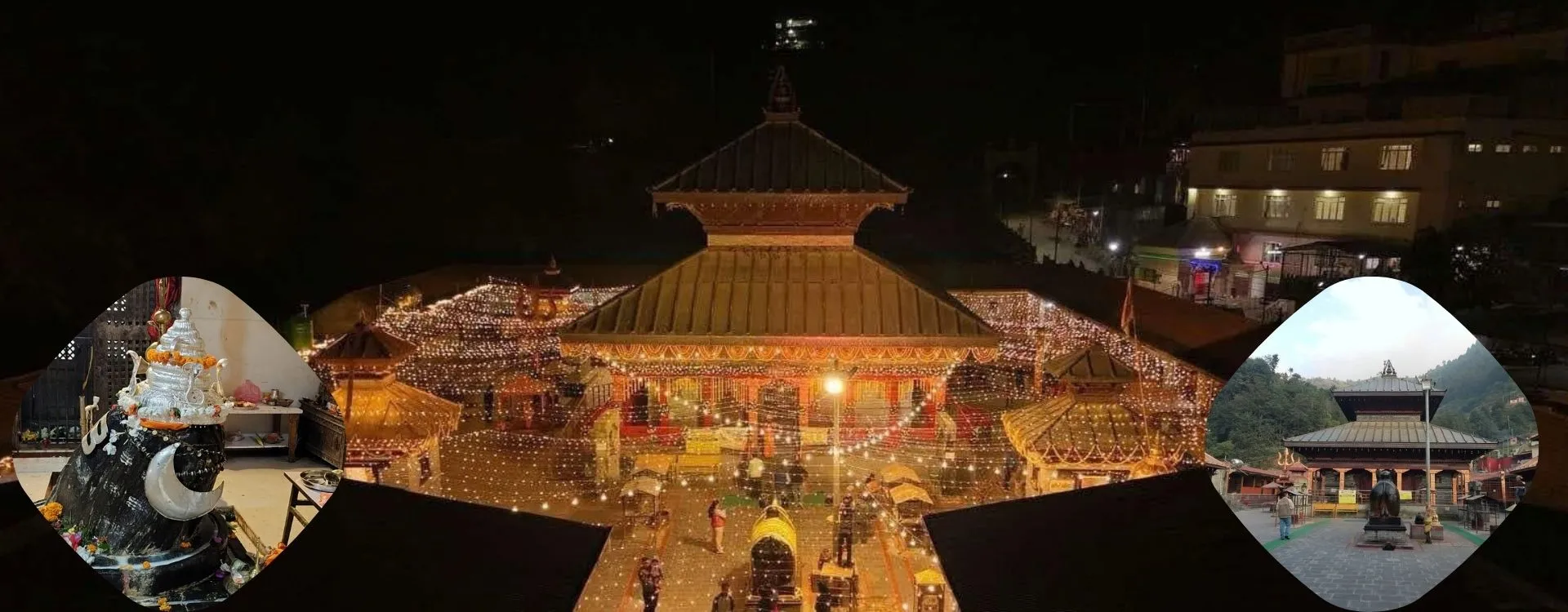
Doleshwor Mahadev Temple, also known as Doleshwar Mahadev or Kedarnath Ko Shir, is a sacred Hindu temple dedicated to Lord Shiva in Sipadol, Suryabinayak Municipality, Bhaktapur, Nepal. Located approximately 20 kilometers east of Kathmandu, the temple is revered as the Head of Kedarnath, connecting it spiritually with the famous Kedarnath Temple in Uttarakhand, India.
The temple is especially significant to Shiva devotees because of a religious tradition associated with the Pandavas, the Mahabharata and Lord Shiva’s appearance as a bull. According to this belief, the sacred head of Shiva’s bull manifestation is worshipped at Doleshwor, while the remaining form is associated with Kedarnath.
The temple received wider recognition on 22 August 2009, when the then head priest of Kedarnath formally declared Doleshwor Mahadev to be the sacred head of Kedarnath.
Today, Doleshwor attracts Hindu pilgrims, families, spiritual travelers and visitors interested in Nepal’s religious heritage. Its hillside setting, traditional architecture and connection with Kedarnath make it a worthwhile destination for anyone exploring the sacred temples of the Kathmandu Valley.
Doleshwor Mahadev Temple at a Glance
| Information | Details |
|---|---|
| Temple name | Doleshwor Mahadev Temple |
| Alternative spelling | Doleshwar Mahadev |
| Nepali name | डोलेश्वर महादेव मन्दिर |
| Popular religious name | Kedarnath Ko Shir (Head of Kedarnath) |
| Main deity | Lord Shiva |
| Location | Sipadol, Suryabinayak, Bhaktapur, Nepal |
| Distance from Kathmandu | Approximately 20 km |
| Estimated travel time | Around 45–60 minutes by private vehicle, depending on traffic |
| Architecture | Traditional Nepali pagoda style |
| Religious recognition | 22 August 2009 |
| Major religious occasions | Maha Shivaratri, Shrawan and Teej |
| Recommended visit duration | Around 1–2 hours, excluding transportation |
| Accessibility | Road access with local walking requirements |
History of Doleshwor Mahadev Temple
The history of Doleshwor Mahadev Temple combines local religious heritage, centuries of Shiva worship and traditions associated with the Himalayan pilgrimage sites of Nepal and India.
Located in the Sipadol area of Bhaktapur, the shrine has long been known to local devotees as a sacred place of Lord Shiva. It is also referred to as Bimaleshwor and Sipare Mahadev, names connected with local religious and cultural traditions.
The temple’s history is particularly interesting because its religious identity extends beyond the Kathmandu Valley. Devotees associate Doleshwor with Kedarnath, one of the most important Shiva pilgrimage destinations in the Indian Himalayas.
According to temple tradition, this connection dates back to the Mahabharata era. However, the precise historical age of the shrine and its association with the epic cannot be independently established through the religious accounts alone.
What can be documented is the modern declaration made in 2009, when the head priest of Kedarnath publicly recognized Doleshwor Mahadev as the sacred head of Kedarnath.
This event helped bring greater attention to the temple and established its modern prominence as a destination for Shiva pilgrims from both Nepal and India.
The Legend of Doleshwor Mahadev and Kedarnath
The religious significance of Doleshwor Mahadev is closely associated with a Hindu legend involving the five Pandava brothers and their search for Lord Shiva after the Kurukshetra War.
Why Did the Pandavas Search for Lord Shiva?
According to the Mahabharata-related pilgrimage tradition, the Pandavas – Yudhishthira, Bhima, Arjuna, Nakula and Sahadeva – were deeply troubled by the deaths and destruction caused during the Kurukshetra War.
Although they had emerged victorious, they sought spiritual purification and forgiveness for the suffering caused by the conflict.
The brothers therefore traveled toward the Himalayas to seek the blessings of Lord Shiva.
Shiva, however, did not wish to reveal himself to them immediately. According to the legend, he assumed the appearance of a bull to escape their pursuit.
How Did Lord Shiva’s Head Become Associated with Doleshwor?
The Pandavas eventually recognized the disguised bull as Lord Shiva and attempted to stop him from disappearing.
In the version of the story preserved by Doleshwor’s religious tradition, the brothers caught the bull by its tail. During the encounter, the head became separated from the rest of the divine form.
The remaining portion became associated with Kedarnath in present-day Uttarakhand, India, while the missing head was believed to have manifested in Nepal.
Doleshwor Mahadev is therefore worshipped as Kedarnath Ko Shir, meaning the Head of Kedarnath.
For devotees, this legend expresses the spiritual connection between the two shrines and the belief that Lord Shiva’s divine presence extends across the Himalayas.
Is the Doleshwor Legend the Same as the Panch Kedar Story?
The traditions are closely related, but their details are not identical.
The famous Panch Kedar pilgrimage in Uttarakhand associates different parts of Lord Shiva’s bull manifestation with five sacred temples: Kedarnath, Tungnath, Rudranath, Madhyamaheshwar and Kalpeshwar.
Doleshwor Mahadev is not one of the five Panch Kedar temples. Instead, it belongs to a related religious tradition in Nepal that identifies the shrine with the sacred head of Kedarnath.
Different communities preserve different versions of the legend. These accounts are best understood as expressions of Hindu religious belief rather than a single universally agreed historical narrative.
Why Is Doleshwor Mahadev Called the Head of Kedarnath?
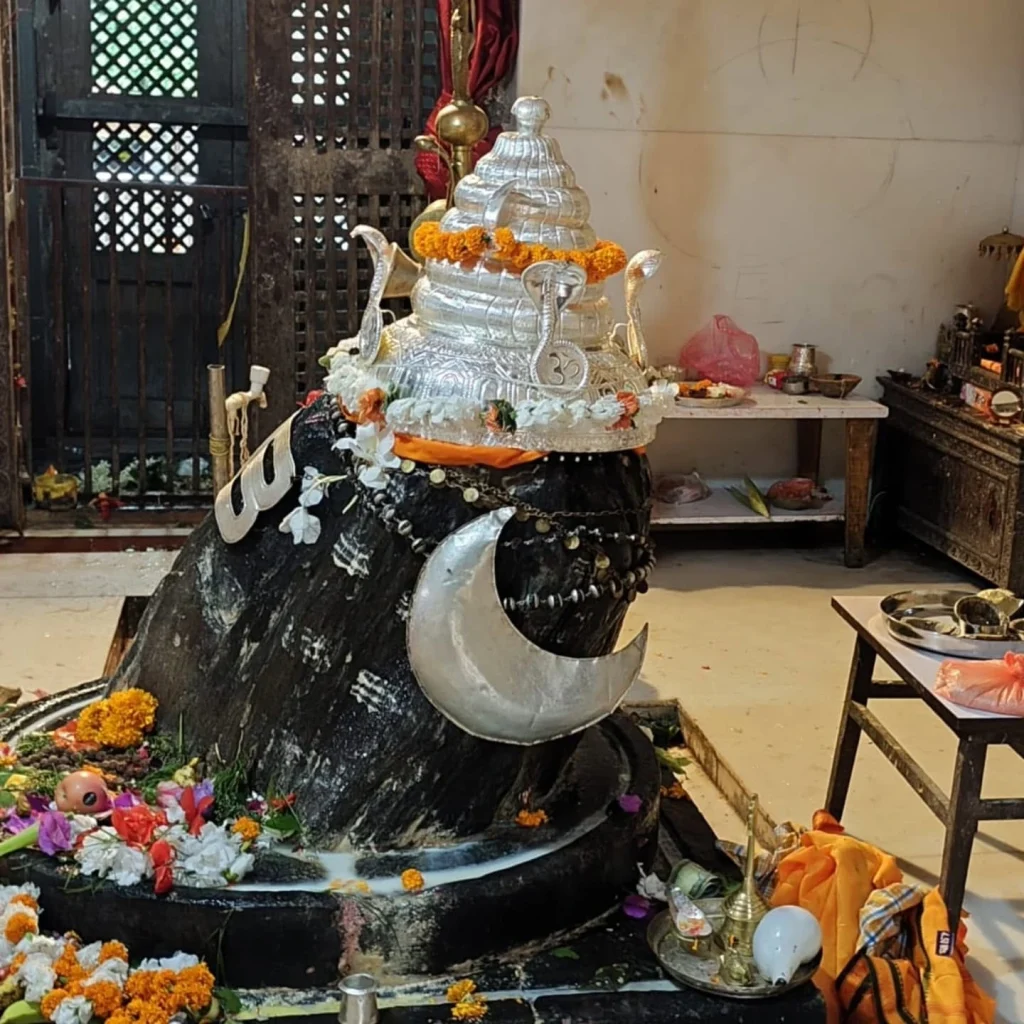
Doleshwor Mahadev is known as the Head of Kedarnath because of the belief that the Shiva Linga worshipped at the temple represents the head of Lord Shiva’s bull manifestation.
Kedarnath, situated high in the Indian Himalayas, is revered as the location associated with the remaining divine form in the Doleshwor tradition.
This relationship has particular meaning for devotees who wish to worship Lord Shiva at both sacred destinations.
Some pilgrims believe that visiting Doleshwor Mahadev and Pashupatinath in Nepal adds spiritual completeness to their Kedarnath pilgrimage. This is a devotional tradition, not a compulsory requirement for every Hindu pilgrim.
The connection also highlights the shared religious heritage of Nepal and India, where sacred stories, pilgrimage routes and temple traditions have crossed modern national borders for generations.
The Historic Declaration of 22 August 2009
One of the most important documented events in the modern history of Doleshwor Mahadev Temple took place on 22 August 2009.
On that day, Shree 1008 Jagat Guru Bheemashankarling Shivacharya, the then head priest of Kedarpeeth in India, visited Doleshwor Mahadev in Sipadol, Bhaktapur.
During the visit, he unveiled a commemorative plaque recognizing Doleshwor Mahadev as the sacred head of Kedarnath. He also performed Rudra Abhishek, a special ritual dedicated to Lord Shiva.
The declaration followed efforts to examine the traditional relationship between the two temples. According to the Doleshwor temple’s own account, these efforts were associated with Bharat Jangam and included consideration of priestly customs, religious institutions, temple traditions and the forms of the sacred Shiva Lingas.
The temple’s account also discusses similarities between the religious practices associated with Kedarnath and Doleshwor, including connections involving Jangam and Rawal priestly traditions.
These details form part of the religious and institutional basis presented for the declaration. They should not be confused with independent scientific proof of the Mahabharata legend.
Historical reference: Doleshwor Mahadev – Announcement of Head of Kedarnath
The Nepal Tourism Board’s pilgrimage guide also records the 2009 declaration and explains the temple’s association with Kedarnath.
Religious Significance of Doleshwor Mahadev Temple
Doleshwor Mahadev is an important place of worship for devotees of Lord Shiva, particularly those who follow Shaivite traditions.
Lord Shiva is worshipped in Hinduism as Mahadev, the Great God, and is associated with transformation, spiritual discipline, compassion and liberation.
Pilgrims visit Doleshwor to offer prayers, seek blessings and reflect on the spiritual lessons represented by the Pandavas’ search for forgiveness.
The temple’s religious importance can be understood through several connections.
Connection with Lord Shiva
The sacred Shiva Linga is the central focus of worship at Doleshwor Mahadev. Devotees offer prayers and traditional offerings as expressions of faith, gratitude and devotion.
Connection with Kedarnath
The belief that Doleshwor represents the Head of Kedarnath gives the shrine a distinctive place within the wider Himalayan Shiva pilgrimage tradition.
Connection with Pashupatinath
Pashupatinath in Kathmandu is one of Nepal’s most revered Shiva temples. Pilgrims who visit Pashupatinath and Doleshwor can experience two different but spiritually connected traditions of Shiva worship within the Kathmandu Valley.
Connection with Nepal and India
Doleshwor reflects the shared Hindu religious heritage of Nepal and India. Its traditions connect local communities in Bhaktapur with the pilgrimage culture of Uttarakhand and the wider Himalayan region.
Temple Architecture and Sacred Surroundings
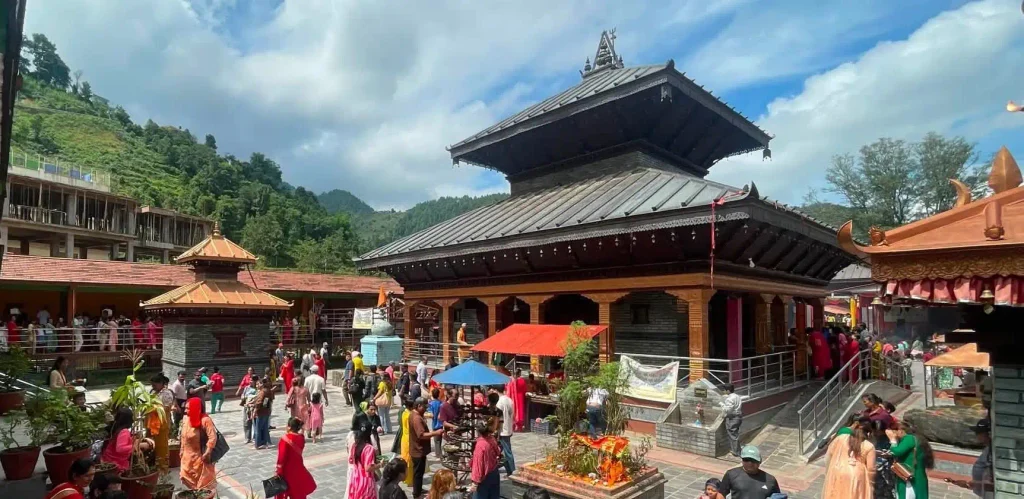
Doleshwor Mahadev Temple features traditional Nepali pagoda-style architecture, a style associated with many religious monuments throughout the Kathmandu Valley.
The temple houses the Shiva Linga that devotees worship as the sacred Head of Kedarnath.
Its setting is another attraction. Unlike the busy urban surroundings of some Kathmandu temples, Doleshwor lies among green hills and settlements in the Bhaktapur countryside.
The approach offers glimpses of the surrounding landscape, while the temple environment provides space for prayer, worship and quiet reflection.
The Nepal Tourism Board describes the hillside surroundings, greenery and views toward historic Bhaktapur as part of the destination’s appeal.
Visitors interested in Hindu architecture, local religious customs and the quieter side of the Kathmandu Valley may find the journey rewarding even beyond its pilgrimage significance.
Worship, Puja and Religious Rituals at Doleshwor Mahadev
Doleshwor Mahadev remains an active place of Hindu worship.
Devotees visit to offer prayers to Lord Shiva, participate in religious observances and receive blessings according to their beliefs.
Traditional offerings may include water, flowers, Bel Patra (bilva leaves) and other items permitted by the temple authorities.
The temple is also associated with Rudra Abhishek, a form of ritual worship in which sacred offerings are made to Lord Shiva while prayers and mantras are recited.
According to the Nepal Tourism Board, worship traditions at Doleshwor have connections with those practiced at Kedarnath.
Can Visitors Arrange a Special Puja?
Pilgrims interested in special pujas should confirm the arrangements directly with the temple or its priests.
Availability, ritual procedures, donations and priestly charges may vary depending on the occasion and type of worship requested.
Visitors should not assume that private rituals are included in an ordinary sightseeing or pilgrimage package unless explicitly stated.
Major Festivals Celebrated at Doleshwor Mahadev Temple
Maha Shivaratri
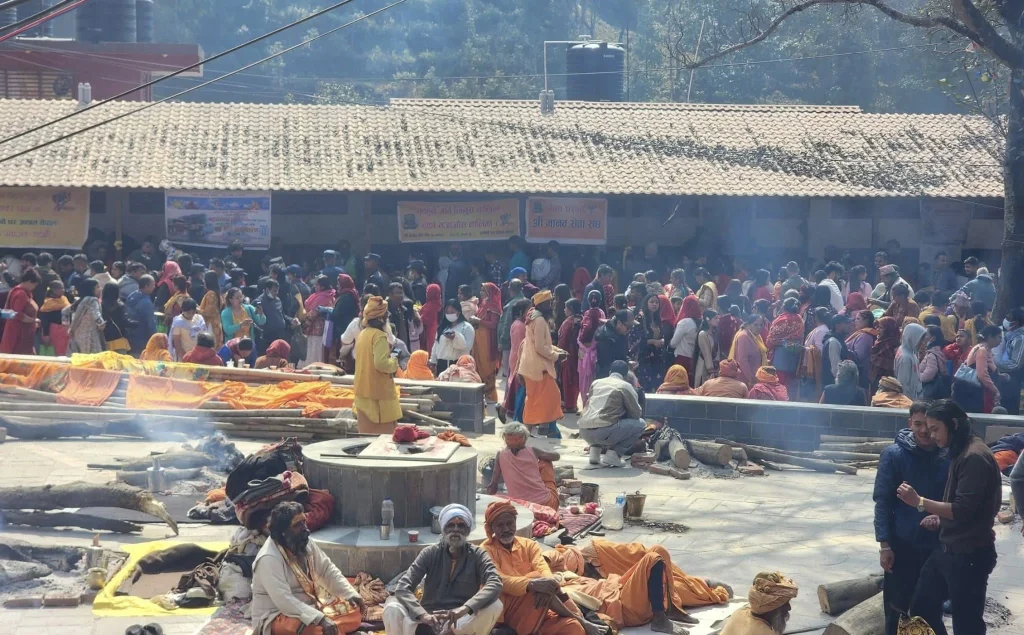
Maha Shivaratri, the great night of Lord Shiva, is one of the most important religious occasions at Doleshwor Mahadev.
Devotees gather at Shiva temples to pray, offer worship and observe religious traditions. The occasion can attract significant crowds, particularly around major Shiva shrines.
For pilgrims wishing to experience the temple during an important religious festival, Maha Shivaratri offers a meaningful opportunity, although waiting times and traffic may increase.
Shrawan Month and Shrawan Mondays
The Hindu month of Shrawan, usually falling in July and August, is especially sacred to Lord Shiva.
Many devotees observe fasting, offer water to Shiva Lingas and visit temples on Mondays throughout the month.
Doleshwor Mahadev receives pilgrims during this period, making it an important time for religious worship.
Because Shrawan falls during Nepal’s monsoon season, visitors should also prepare for rain and potentially slippery outdoor surfaces.
Haritalika Teej
Haritalika Teej is another important Hindu festival associated with worship of Lord Shiva and Goddess Parvati.
Many Hindu women observe fasting and religious rituals during the festival. Shiva temples throughout Nepal become important places for prayers and devotional gatherings.
Visitors should expect a more active temple atmosphere during major festival days.
Where Is Doleshwor Mahadev Temple Located?
Doleshwor Mahadev Temple is located in Sipadol, Suryabinayak Municipality, Bhaktapur District, Nepal, approximately 20 kilometers east of Kathmandu.
The shrine stands in the southeastern part of the Kathmandu Valley, near the green hills beyond the main Bhaktapur urban area.
Its location makes it practical for a half-day religious excursion or a longer sightseeing trip combining several temples and heritage destinations.
Instant Booking & Enquiries
Planning your Hindu Pilgrimage Tour in Nepal? or Doleshwor Mahadev Temple ? Connect with our travel experts for quick assistance, personalized arrangements and hassle-free booking.
How Far Is Doleshwor Mahadev from Kathmandu?
The temple is approximately 20 km from central Kathmandu.
Travel time depends on the starting point, road conditions and traffic. A private vehicle journey may take around 45–60 minutes, although additional time should be allowed during busy periods.
How to Reach Doleshwor Mahadev Temple
The most convenient option for visitors is a private vehicle or taxi.
From Kathmandu, travelers generally head east along the Araniko Highway toward Bhaktapur, continue toward Suryabinayak and follow the local road leading to the temple area.
Travelers using public transportation can first reach the Bhaktapur or Suryabinayak area and arrange onward local transport.
For senior citizens, families and travelers unfamiliar with the area, private transportation is usually the more convenient choice.
When you book your Doleshwor Mahadev Temple visit with EBC Trails Treks & Expedition, our team takes care of transportation arrangements, pickup schedules, and travel logistics, allowing you to enjoy a comfortable, hassle-free pilgrimage without worrying about local transport, fares, or timing.
Best Time to Visit Doleshwor Mahadev Temple
Doleshwor Mahadev can be visited throughout the year, but the most comfortable season depends on whether the main purpose is sightseeing or religious worship.
Spring (March–May) generally offers pleasant temperatures and a suitable environment for exploring Bhaktapur and nearby temples.
Autumn (September–November) is another favorable season, with generally comfortable weather for outdoor sightseeing and religious visits.
Monsoon (June–September) brings greener surroundings and the important religious month of Shrawan, but rainfall can affect roads and walking conditions.
Winter (December–February) is usually suitable for temple visits, although mornings and evenings can be cold.
Devotees may prefer Maha Shivaratri or Shrawan for their religious importance, while visitors seeking a quieter experience may prefer ordinary weekdays outside major festivals.
Practical Tips for Visiting Doleshwor Mahadev
Doleshwor Mahadev is a living religious site, and visitors should respect its traditions.
- Wear modest clothing suitable for a Hindu temple.
- Choose comfortable footwear that can be removed easily.
- Follow temple instructions about photography and entry.
- Carry Nepalese rupees for personal offerings or donations.
- Allow extra time during festivals and religious gatherings.
- Check current temple access and worship arrangements before departure.
- Bring water and weather-appropriate clothing.
- Ask before photographing priests, devotees or ceremonies.
Travelers with limited mobility should confirm the current drop-off point, walking distance and availability of assistance before visiting.
Places to Visit Near Doleshwor Mahadev Temple
A trip to Doleshwor can be combined with other religious and cultural destinations in the eastern Kathmandu Valley.
Kailashnath Mahadev Statue, Sanga
Kailashnath Mahadev is a large outdoor statue of Lord Shiva located at Sanga, east of Bhaktapur.
The site is popular among Hindu pilgrims and visitors interested in religious monuments and views of the surrounding hills.
Combining Doleshwor Mahadev with Kailashnath Mahadev provides an opportunity to explore two Shiva-related attractions during the same excursion.
Suryabinayak Ganesh Temple
Suryabinayak is an important temple dedicated to Lord Ganesh, the Hindu deity traditionally worshipped at the beginning of auspicious activities.
Located in the Bhaktapur area, the shrine can be included in a customized religious sightseeing itinerary.
Bhaktapur Durbar Square
Bhaktapur Durbar Square is a major cultural and architectural destination known for its historic temples, traditional courtyards and Newari heritage.
Travelers who wish to combine religious worship with sightseeing can add Bhaktapur’s historic center to their journey.
Changu Narayan Temple
Changu Narayan is an ancient Hindu temple dedicated to Lord Vishnu and forms part of the Kathmandu Valley UNESCO World Heritage property.
It is a valuable addition for travelers interested in Hindu heritage, temple architecture and Nepalese history, although visiting it requires additional travel time.
Also visit our 3 Days Kathmandu Valley Tour pacakge customizing itinerary including Doleshwor Temple .
Doleshwor Mahadev and the Hindu Pilgrimage Circuit in Nepal
Doleshwor Mahadev can be included in a broader Hindu pilgrimage journey through Nepal.
Pilgrims interested in Lord Shiva may combine Doleshwor with Pashupatinath, Guhyeshwari, Budhanilkantha and other important temples in the Kathmandu Valley.
Travelers with more time can continue toward Manakamana, Pokhara and Muktinath, experiencing sacred sites associated with Shiva, Vishnu and Shakti.
This wider journey offers an opportunity to explore Nepal’s Hindu religious traditions alongside the country’s historic towns, mountain landscapes and local culture.
Doleshwor Mahadev Temple Before Kailash Mansarovar Yatra
For many Hindu pilgrims traveling to Mount Kailash and Lake Mansarovar in Tibet, visiting and worshipping at Doleshwor Mahadev Temple is a meaningful part of their spiritual journey. Revered as the Head of Kedarnath, Doleshwor is among the sacred Shiva temples that pilgrims choose to visit before beginning their Kailash Mansarovar Yatra.
Pilgrims traveling to Tibet through Nepal often spend a few days in Kathmandu while their Chinese visa and Tibet travel permits are being processed or finalized. During this period, many travelers explore the sacred temples of the Kathmandu Valley, including Pashupatinath, Guhyeshwari, Budhanilkantha and Doleshwor Mahadev.
As Doleshwor is believed to represent the sacred head of Kedarnath, devotees visit the temple to offer prayers to Lord Shiva and seek blessings for a safe and spiritually fulfilling Kailash Mansarovar pilgrimage. Its religious connection with Kedarnath makes it a meaningful addition to Kathmandu’s pre-Kailash pilgrimage itinerary.
Although visiting Doleshwor Mahadev is not a compulsory ritual before Kailash Mansarovar Yatra, it can easily be included in a customized Kathmandu temple sightseeing program, depending on the pilgrims’ schedule and travel arrangements.
Visit Doleshwor Mahadev Temple with EBC Trails
EBC Trails Treks & Expedition includes Doleshwor Mahadev Temple in its 8-Day Hindu Pilgrimage Tour in Nepal.
The itinerary visits Doleshwor Mahadev and Kailashnath Mahadev at Sanga, allowing pilgrims to experience two significant Shiva-related destinations near Kathmandu.
The wider tour also includes Pashupatinath, Guhyeshwari, Budhanilkantha, Manakamana, Pokhara and Muktinath.
Private arrangements can be discussed for travelers who wish to focus on Doleshwor Mahadev, add other temples or adjust the sightseeing schedule for elderly family members.
Explore the complete itinerary: Hindu Pilgrimage Tour in Nepal – 8 Days
For customized arrangements, contact EBC Trails with your travel date, group size and preferred temples.
Frequently Asked Questions About Doleshwor Mahadev Temple
1. Where is Doleshwor Mahadev Temple located in Nepal?
Doleshwor Mahadev Temple is located in Sipadol, Suryabinayak Municipality, Bhaktapur District, approximately 20 km east of Kathmandu. The temple is accessible by road and can be visited as a half-day religious excursion from Kathmandu or combined with other attractions in Bhaktapur.
2. Why is Doleshwor Mahadev called the Head of Kedarnath?
Doleshwor Mahadev is called the Head of Kedarnath because devotees believe the shrine represents the head of Lord Shiva’s bull manifestation associated with the Pandavas. The remaining divine form is linked with Kedarnath in Uttarakhand, India. This is a religious tradition recognized by the Kedarnath head priest in 2009.
3. Who declared Doleshwor Mahadev the Head of Kedarnath?
Shree 1008 Jagat Guru Bheemashankarling Shivacharya, the then head priest of Kedarpeeth, unveiled a plaque recognizing Doleshwor Mahadev as the Head of Kedarnath on 22 August 2009. He also performed Rudra Abhishek at the temple. The event is documented on the Doleshwor temple’s website.
4. What is the history of Doleshwor Mahadev Temple?
Doleshwor Mahadev has a longstanding tradition of Shiva worship in Bhaktapur and is associated with the Mahabharata legend of the Pandavas. Its exact founding date is not independently established by the religious accounts. The temple gained wider recognition in 2009 following the Kedarnath head priest’s declaration.
5. What is the connection between Doleshwor Mahadev and Kedarnath Temple?
Both temples are linked through a Hindu tradition concerning Lord Shiva’s appearance as a bull. Kedarnath is associated with the divine bull’s remaining form, while Doleshwor is revered as its head. The connection is important to devotees undertaking a pilgrimage to Shiva temples in Nepal and India.
6. Is Doleshwor Mahadev one of the Panch Kedar temples?
No. The five Panch Kedar temples are located in Uttarakhand, India. Doleshwor Mahadev is a separate temple in Nepal associated with Kedarnath through the religious tradition identifying it as the sacred head of Shiva’s bull manifestation.
7. How far is Doleshwor Mahadev Temple from Kathmandu?
Doleshwor Mahadev is approximately 20 km from Kathmandu. A private vehicle journey commonly takes around 45–60 minutes, depending on traffic and the departure point. Travelers can visit the temple on a half-day trip or combine it with other Bhaktapur attractions.
8. What is the best time to visit Doleshwor Mahadev Temple?
Spring and autumn are generally comfortable for sightseeing. For religious worship, Maha Shivaratri and the month of Shrawan are especially significant. These occasions can attract large numbers of devotees, so travelers should allow additional time.
9. What festivals are celebrated at Doleshwor Mahadev Temple?
Major religious occasions include Maha Shivaratri, the holy month of Shrawan and Haritalika Teej. Devotees visit to worship Lord Shiva, make traditional offerings and participate in religious observances.
10. Can I visit Doleshwor Mahadev and Pashupatinath on the same day?
Yes. Both temples are accessible from Kathmandu, and a private vehicle makes a combined visit practical. The itinerary should allow sufficient time for traffic, temple worship and any additional sightseeing.
11. Is Doleshwor Mahadev Temple suitable for senior citizens?
Many senior citizens can visit Doleshwor Mahadev because the destination is accessible by road. However, walking conditions, vehicle access and any steps near the shrine should be confirmed in advance. Private transportation and a flexible schedule are recommended for pilgrims with limited mobility.
12. Can tourists visit Doleshwor Mahadev Temple?
Visitors can travel to the temple area and experience its religious surroundings, subject to current temple rules. Access to particular worship areas may be restricted. All visitors should respect local customs, dress modestly and follow the instructions of temple authorities.
13. Can I perform Rudra Abhishek or a special puja at Doleshwor?
Special worship may be possible through arrangements with the temple’s priests or management. Visitors should confirm the availability, procedures and any applicable charges in advance. Religious offerings and priestly services are normally separate from standard sightseeing arrangements.
14. Is visiting Doleshwor Mahadev compulsory after Kedarnath?
Some devotees believe that visiting Doleshwor Mahadev and Pashupatinath adds spiritual completeness to a Kedarnath pilgrimage. However, this is a devotional tradition rather than a universal requirement for every Hindu pilgrim.
15. Can I include Doleshwor Mahadev in a Hindu pilgrimage tour of Nepal?
Yes. Doleshwor Mahadev is included in the 8-Day Hindu Pilgrimage Tour offered by EBC Trails. The journey also covers other sacred destinations, including Pashupatinath, Manakamana and Muktinath. Private and customized pilgrimage arrangements can be requested according to travel dates, group size and individual preferences.
15. Do Kailash Mansarovar pilgrims visit Doleshwor Mahadev before traveling to Tibet?
Some Kailash Mansarovar pilgrims visit Doleshwor Mahadev while staying in Kathmandu before their journey to Tibet. Devotees may offer prayers here because the temple is revered as the Head of Kedarnath. The visit is optional and can be combined with Pashupatinath and other sacred sites in the Kathmandu Valley.


