

Pokhara is Nepal’s second-largest city and a major center for tourism. It attracts trekkers from around the world while also standing out as one of the country’s most scenic cities, shaped by lakes, hills, and dramatic Himalayan landscapes. Nestled in the Pokhara Valley, it is famed for its scenic lakes, panoramic views of the Annapurna and Dhaulagiri mountain ranges, and vibrant cultural scene. Often referred to as the gateway to the Annapurna and Mustang regions, Pokhara attracts both adventure seekers and those looking for a peaceful escape. The city combines natural beauty, modern facilities, and a relaxed pace that makes it ideal for families, solo travelers, and trekking enthusiasts alike.
Pokhara offers a rare balance where modern amenities and comfortable hotels exist alongside traditional villages and authentic home-stays. Here, tranquil lakes, forests, and mountains blend naturally with cafes, resorts, and a relaxed urban lifestyle. Travelers can shift easily from high-energy adventure activities to slow, luxurious leisure by the lake. Whether you have just a single day or an entire month, Pokhara provides enough variety, experiences, and nearby escapes to make every stay meaningful and unhurried.
Geography and Demographics
Pokhara is located in Kaski District of Gandaki Province (Province No. 4), about 200 km west of Kathmandu. Situated at an altitude of 827 m / 2,697 ft, the city is surrounded by hills, valleys, and snow-capped peaks. The Pokhara Valley is drained by several rivers, with Phewa Lake as its centerpiece. Pokhara’s population reflects a mix of ethnic groups, including Gurung, Magar, Brahmin, and Chhetri communities, contributing to the city’s rich cultural tapestry. Its moderate climate, fertile land, and access to natural resources make it a vibrant urban center while retaining a close connection to nature.
Why Pokhara is Famous
Pokhara is more than just a scenic city; it is a vibrant blend of natural beauty, adventure, and culture. Visitors are drawn here for its breathtaking landscapes, thrilling activities, and rich local heritage. Whether you are a nature enthusiast, an adventure seeker, a culture lover, or a trekker, Pokhara has something for everyone.
Pokhara : Paradise for Nature Lovers – Adventure Hub of Nepal – Cultural Immersion – Gateway to Trekkers
- Breathtaking Mountain Views: Peaks like Machhapuchhre (Fishtail), Annapurna South, and Dhaulagiri dominate the skyline. From every route, including Hemja Road towards Mustang, the views are simply mesmerizing, offering photography opportunities at every turn.
- Serene Lakes: Phewa Lake is the most iconic, reflecting snow-capped mountains in its calm waters, while lakes such as Begnas, Rupa, Dipang, and Gude provide tranquility away from the city bustle. These lakes also offer multiple boating and water activities for a relaxing experience.
- Adventure Hub: Pokhara caters to adrenaline seekers with paragliding, ziplining, bungee jumping, and ultralight flights. Water-based adventures on the lakes add another layer of excitement, making the city an adventure capital of Nepal.
- Cultural Richness: The city showcases Gurung culture, Tibetan refugee communities, and vibrant local traditions. Temples, monasteries, and pagodas abound, with opportunities to witness daily prayers, Hindu worship rituals, and authentic festivals.
- Gateway to Treks: Pokhara serves as the starting point for major treks such as Annapurna Base Camp, Ghorepani, Mardi Himal, and the Mustang region, as well as access to Muktinath. It functions as the essential hub for trekkers heading into the Annapurna, Mustang, and Manaslu regions.
Best Time to Visit Pokhara, Nepal
Timing your visit to Pokhara can make a big difference in how you experience the city. While the climate here is generally mild, each season offers a unique atmosphere and set of activities.
- Spring (March–May): Spring is one of the most popular times to visit. The weather is pleasantly warm, skies are clear, and visibility of the Annapurna range is excellent. The surrounding hills burst into color with blooming rhododendrons, creating picturesque landscapes ideal for trekking, paragliding, or simply exploring the city and lakes.
- Autumn (September–November): Autumn brings crisp, cool air and panoramic views, making it perfect for outdoor adventures. After the monsoon rains, the skies are clear, offering unobstructed views of Machhapuchhre, Annapurna South, and Dhaulagiri. This is considered the peak season for trekking and sightseeing in and around Pokhara.
- Monsoon (June–August): The monsoon transforms Pokhara into a lush, green paradise. While heavy rainfall can occasionally disrupt travel and obscure mountain views, the dramatic clouds and vibrant greenery provide a unique, off-peak charm. This is a quieter time to explore the city without the usual tourist crowds.
- Winter (December–February): Winters in Pokhara are relatively mild compared to other Himalayan regions. Mornings and evenings can be chilly, but daytime temperatures remain comfortable. This season is ideal for cultural exploration, visiting temples and monasteries, or enjoying relaxed lakeside activities.
Pokhara also comes alive during its festivals. Dashain & Tihar, celebrated in autumn, brings vibrant local traditions to the streets, while winter festivals showcase music, food, and cultural performances that let visitors experience the city’s lively spirit.
How to Reach Pokhara
Pokhara is well-connected by both air and road, making it accessible for travelers from Kathmandu, India, and other parts of Nepal.
By Air
Pokhara has a domestic airport with multiple daily flights from Kathmandu and few daily connections to other domestic airports such as Bharatpur or Jomsom. The flight is around 25–30 minutes, offering stunning aerial views of the mountains and valleys. During peak tourist seasons, it’s advisable to book flights in advance. While convenient, flights may be delayed during monsoon due to cloud cover.
By Road
The road journey to Pokhara is scenic, winding through lush hills, river valleys, and traditional villages.
- Tourist Buses: Daily buses operate from Kathmandu, Chitwan, and Lumbini. Comfortable and affordable, these buses often take 6–8 hours from Kathmandu.
- Private Cars or Taxis: A flexible and faster option for groups or families. Private vehicles allow stops along scenic viewpoints such as Hemja Road or roadside villages.
- Shared Jeeps: Common for nearby towns and rural areas, offering a local travel experience.
- Local Buses: Serve intra-city routes as well as connections to surrounding villages.
Key bus stations include Prithivi Chowk, Baglung Bus Park, Hallan Chowk, Hari Bus Park, and the Tourist Bus Park, making it easy to find transport depending on your route.
Distances to/from Pokhara
- Kathmandu: 205 km
- Chitwan: 140 km
- Gorkha (Manaslu Trek gateway): 80 km
- Palpa/Tansen: 130 km
- Jomsom (Mustang gateway): 150 km
- Ghorepani/Poon Hill trailheads: 110–120 km
Road travel is scenic, often passing through hills, rivers, and traditional villages, adding to the journey experience.
Transportation inside Pokhara valley and surrounding
- Local Buses and Microbuses: Affordable and connect neighborhoods.
- Taxis and Ride-Hailing Apps: Convenient for point-to-point travel.
- Rental Scooters and Bikes: Flexible two-wheler option for exploring the city area and nearby hill stations.
- Walking: Lakeside and city center are highly walkable and better to walk taking nature snap.
- Bicycle: Hiring bicycle is another eco friendly transportation inside lakeside and damside area
Most Visited Places in Pokhara
Lakes of Pokhara
Pokhara is often called the City of Lakes, and its water bodies are central to the city’s charm.
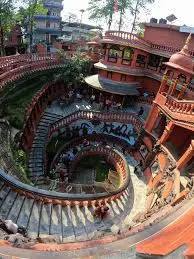
- Phewa Lake: The most famous lake, offering boating, kayaking, and lakeside walking paths. The Tal Barahi Temple, a pagoda-style shrine located on an island in the lake, is a major cultural and spiritual landmark. Sunrise and sunset reflections of the surrounding mountains make it a photographer’s dream.
- Begnas Lake: Less famous and less crowded, best for fishing, boating, and picnicking and quiet place to spent a day. It offers a peaceful retreat from the main tourist areas.
- Rupa Lake: Known for its serene environment, Rupa is perfect for birdwatching and exploring rural trails around the lake.
- Other Lakes (Dipang, Gude, Khaste): Smaller lakes add to Pokhara’s natural diversity, offering opportunities for eco-tourism and relaxation in a less developed setting.
The lakes are also central to Pokhara’s leisure activities, including lakeside cafés, yoga sessions, and guided boating tours.
Waterfalls and Caves
- Devi’s Fall: This stunning waterfall plunges into an underground tunnel, creating a mesmerizing spectacle. The site is particularly dramatic during the monsoon season, when the water flow is strongest, and is surrounded by lush greenery that makes for excellent photography.
- Gupteshwor Mahadev Cave: Located opposite Devi’s Fall, this limestone cave houses a sacred Shiva shrine. Visitors can explore its vast chambers and intricate rock formations while experiencing the spiritual atmosphere of one of Pokhara’s most significant religious sites.
- Bat Cave (Chameri Gufa): A short adventure into this cave reveals hundreds of horseshoe bats in their natural habitat. It’s an exciting experience for families and travelers who enjoy exploring underground landscapes while observing wildlife.
Viewpoints
- Sarangkot: Renowned for breathtaking sunrise views over the Annapurna range, Sarangkot is also a hub for paragliding. Hikers and photographers flock here early in the morning to capture the golden peaks reflecting on Phewa Lake.
- World Peace Pagoda (Shanti Stupa): Perched on a hilltop, this Buddhist stupa offers panoramic views of Pokhara city, lakes, and surrounding mountains. It’s accessible by a scenic hike or short drive and is ideal for quiet reflection or sunrise/sunset photography.
- Pumdikot & Kalikasthan: These lesser-known hills provide peaceful trails and excellent vantage points for capturing the cityscape, lakes, and distant mountains. They are perfect for travelers looking to avoid the crowds while enjoying nature.
Museums
- International Mountain Museum: This museum showcases the Himalayas’ biodiversity, mountaineering history, and the lifestyle of indigenous mountain communities. Exhibits include artifacts, photographs, and multimedia displays that provide insight into the culture and ecology of Nepal’s high-altitude regions.
Cultural and Heritage Sites / events
Pokhara’s cultural richness complements its natural beauty, offering travelers a glimpse of local traditions and religious practices.
- Bindhyabasini Temple: One of the oldest Hindu temples in Pokhara, dedicated to Goddess Bhagwati, attracting locals and pilgrims alike.
- Tal Barahi Temple: Located on Phewa Lake as an islet, it’s a serene place for Hindu and Buddist prayer and reflection.
- World Peace Pagoda (Shanti Stupa): A hilltop Buddhist stupa, landmark also seen from pokhara, providing panoramic views of the city, lakes, and mountains. The site also promotes peace and meditation.
- Gurung and Tibetan Cultural Influence: Gurung villages and Tibetan refugee settlements add cultural diversity, with monasteries, prayer flags, and traditional practices visible throughout the valley.
- Festivals: Major festivals like Dashain, Tihar, and smaller street festivals showcase music, dance, rituals, and local cuisine, giving visitors an authentic cultural experience.
Exploring these sites offers insight into Pokhara’s religious, ethnic, and artistic diversity.
Adventure Activities in Pokhara
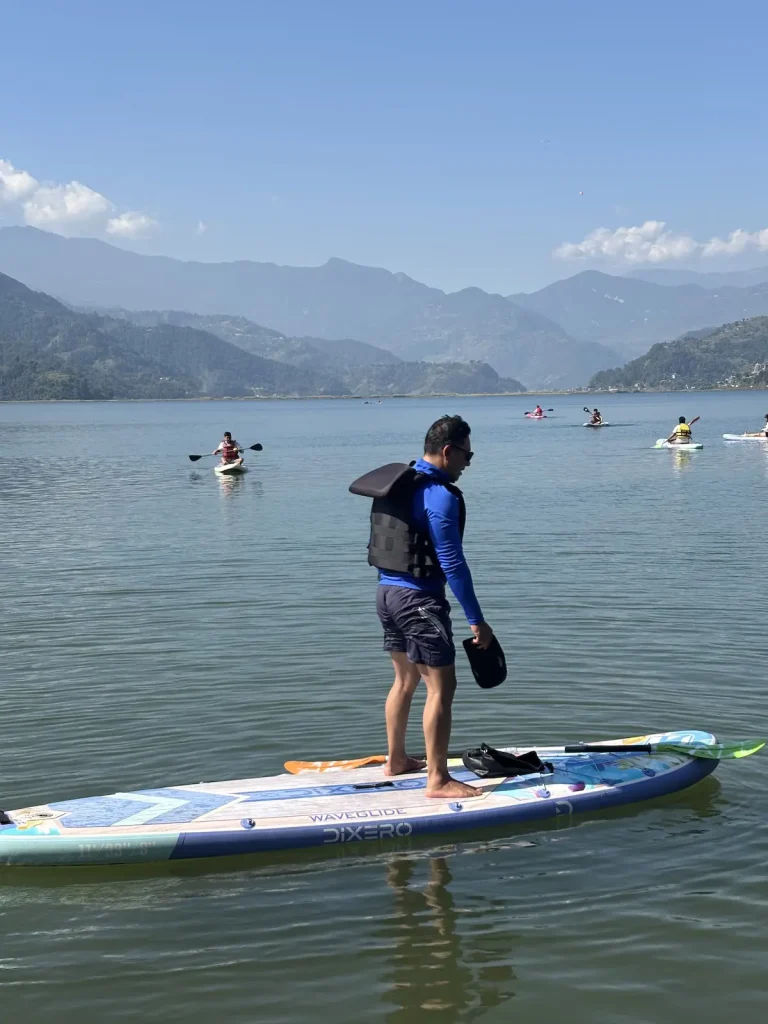
Pokhara is often considered the adventure capital of Nepal due to its variety of thrilling experiences.
- Paragliding: Launch from Sarangkot to soar above Phewa Lake and the city. Beginners can fly tandem with experienced pilots.
- Ziplining & Bungee Jumping: Experience an adrenaline rush as you glide or leap over stunning landscapes, with sweeping views of mountains and valleys surrounding Pokhara.
- Ultralight Flights: A unique way to see Pokhara and the Himalayas from the sky without strenuous effort.
- Mountain Biking: Trails around Sarangkot, Dhampus, and nearby villages range from easy rides to challenging downhill courses.
- Boating & Water Sports: Enjoy a variety of water activities on lakes such as Phewa, Begnas, and Rupa, including kayaking, canoeing, and pedal boating, perfect for both leisurely outings and recreational fun.
Each activity is designed to give visitors a mix of excitement and an immersive view of the surrounding natural landscapes.
Short Trips and Nearby Excursions
Pokhara is not only a destination itself but also a hub for exploring nearby villages, hills, and cultural sites:
- Sarangkot: Sunrise viewpoint and paragliding launch spot.
- World Peace Pagoda Hike: Scenic ascend from valley to the hilltop with lakes and mountain views.
- Begnas and Rupa Lakes: Quieter lakes for day trips.
- Ghandruk and Dhampus Villages: Short cultural walks offering traditional village experiences.
- Annapurna & Mustang Trek Gateways: Pokhara serves as the gateway to major trekking routes, can be done short to long trek.
These excursions allow visitors to enjoy natural beauty, cultural experiences, and light adventure without committing to long treks.
Suggested Itineraries – pokhara short treks
2-Day Stay:
- Day 1: Boating on Phewa Lake, visit Tal Barahi Temple, Devi’s Fall, Gupteshwor Cave, sunset at World Peace Pagoda.
- Day 2: Sunrise at Sarangkot, paragliding or zipline, International Mountain Museum, lakeside cafés and shopping.
3–4 Day Stay:
- Add short hikes to surrounding hills, day trips to Begnas or Rupa Lake, or cultural walks in nearby villages.
Longer stays allow a relaxed exploration of both natural and cultural sites, making it easier to experience the city’s full diversity.
Pokhara – Gateway to Himalayan Treks
Pokhara is the main starting point for many of Nepal’s most famous trekking routes. With easy access to permits, transportation, guides, and gear, the city serves as a natural hub for trekkers heading into the Annapurna and Mustang regions. Whether you’re planning a short scenic walk or a high-altitude adventure, most journeys into the central Himalayas begin here.
Annapurna Region Treks
Explore classic routes that combine mountain views, cultural villages, and diverse landscapes.
- Annapurna Base Camp Trek
- Ghorepani – Ghandruk Trek
- Ghorepani – Poon Hill Trek
- Mardi Himal Trek
- Annapurna Circuit Trek (this trek end here)
- Student Educational Trek
Mustang Region Treks
From arid landscapes to ancient monasteries, Mustang treks offer a distinct Himalayan experience.
Pokhara’s location, infrastructure, and relaxed environment make it the ideal place to prepare, acclimatize, and begin these unforgettable trekking journeys into the Himalayas.
Food and Dining in Pokhara
Pokhara’s dining and evening culture reflects the city’s international appeal and relaxed atmosphere.
- Local Cuisine: Staples include Dal Bhat (rice and lentils), Momos (steamed dumplings), Thukpa (noodle soup), and Thakali meals. These dishes provide hearty meals perfect after a day of trekking or sightseeing.
- International Cuisine: The Lakeside area is lined with restaurants serving everything from Italian and Indian dishes to Korean flavors and creative fusion menus, making it easy for travelers to find familiar tastes or try something new.
- Cafes and Coffee Shops: Ideal for relaxing, reading, or enjoying the lake view with freshly brewed coffee.
- Nightlife: As night falls, Pokhara comes alive with bars, cafés, and live music spots. Visitors can unwind with local tunes, cultural shows, or simply enjoy a calm evening by the lake with good company.
The combination of lakeside dining, street food, and upscale restaurants ensures there is something for every taste and budget.
Accommodation Options
Pokhara has a wide range of accommodations to suit different budgets and preferences:
- Lakeside Hotels: Central and convenient, these hotels range from budget hostels to luxury resorts with lake views. Perfect for tourists wanting proximity to restaurants, shops, and tours.
- Damside Area: Quieter than Lakeside, offering calm surroundings and scenic views without heavy crowds.
- Hilltop Lodges: Located in Sarangkot or surrounding hills, these lodges provide panoramic views of sunrise over the mountains, ideal for photography and peaceful stays.
- Family/ Community run Homestay: Inside the city or few steps back, families are running several homestay either in community base or individual providing authentic nepalese vibes.
Most hotels offer easy access to local tour operators, transportation, and adventure activity providers, making them a practical choice for visitors planning treks or sightseeing excursions.
Cost of Hotels and resorts depends upon your comfort and budget as well as the peak and fall season of the trek. Prior booking is best suggestion. We Ebctrails Treks & Expedition handle all the accommodation during trek as included service to avoid those complications.
Travel Tips
- Peak Seasons: Spring (March–May) and autumn (September–November) for clear skies and moderate weather.
- Permits: Required for treks and protected areas in the Annapurna region but not for nearby low altitude mountain hikes.
- Connectivity: Cash is preferred at smaller vendors; mobile networks are widely available but may vary in remote areas for upper region trek.
- Cultural Etiquette: Dress modestly at temples and monasteries, and ask permission before photographing people.
Conclusion
Pokhara brings together natural beauty, rich culture, and adventure in a way few cities can. With its lakes, mountains, cultural sites, and vibrant lifestyle, it offers experiences for every type of traveler. Whether you are seeking thrilling activities, serene relaxation, or a gateway for Himalayan treks, Pokhara remains one of Nepal’s most captivating destinations — truly deserving the title “Jewel of the Himalayas.”


