
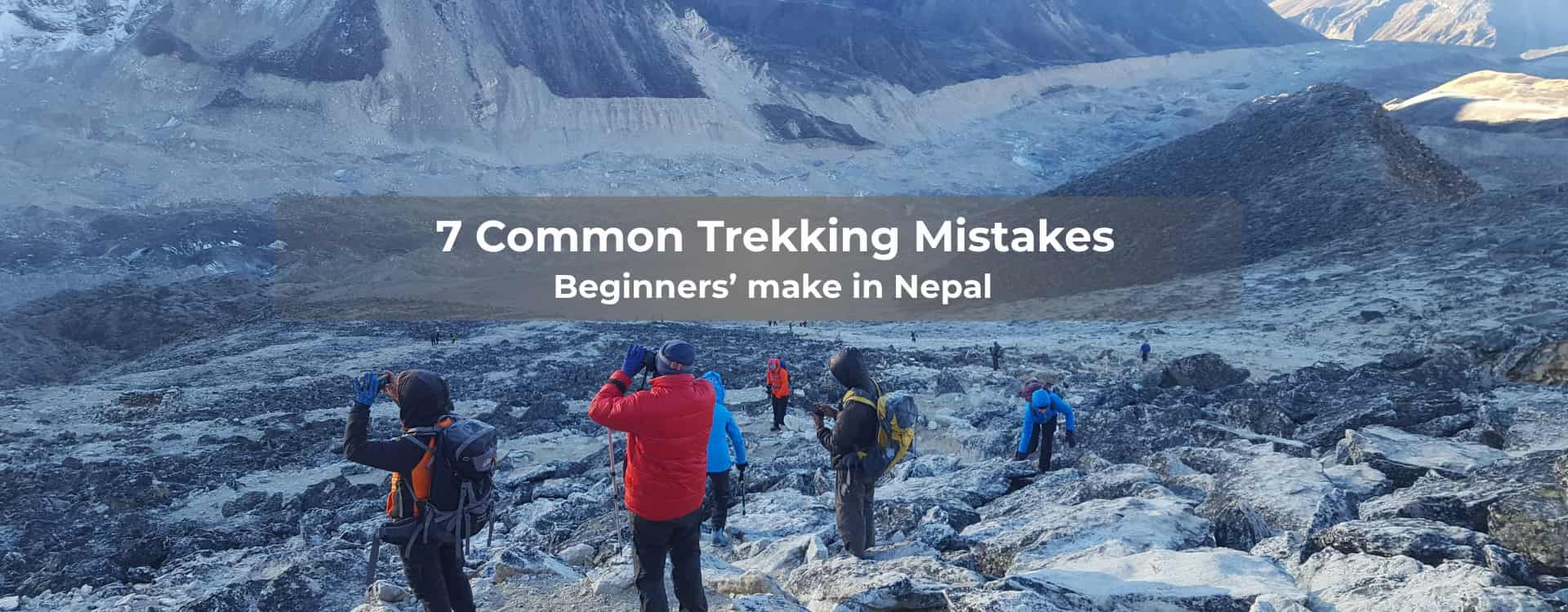
Nepal tours and treks has become the ultimate destination to experience the thrill of adventure in the Himalayas, with all the wildlife, culture and nature by your side. With growing interest from all around the world, many adventure seekers and mountain lovers often find themselves in the lap of the Himalayas. However, the thrill of trekking in Nepal and its rugged mountains can be dampened by common mistakes made by beginners, leading to a disappointing experience.
Trails in the deep mountain demand your attention with proper preparation and sufficient research to avoid common trekking mistakes in Nepal. Especially for the first-time trekkers, if you are not prepared and fall into the trap of the ‘go with the flow’ feeling, your journey can lead to a dreaded experience.
Not enough Planning and Researching, inadequate fitness, existing health issues, and packing and equipment list errors generally determine whether your trek in Nepal will go better or not.
In this blog, we are going to discuss all of the general pitfalls or common trekking mistakes a beginner makes in Nepal and easy ways to avoid them. Understanding and practicing these tips can significantly enhance your travel experience in Nepal.
Common Mistake #1: Brushing off Health Issues
Ignorance of any pre-existing medical conditions, especially relating to heart and lungs, is a very essential factor, even before you start to train or plan for trekking in Nepal. If not done properly, critical Issues like High-Altitude Pulmonary Edema (HAPE), High-Altitude Cerebral Edema (HACE), Frostbite and Hypothermia which are very fatal to life. Moreover, you will be living and spending your time in the raw version of nature; you will also need to be in proper condition to brush out the minimal-level issues like Infections, Muscle Injury, Sunburns, and Insect-related diseases. If left unchecked, these seemingly low-level issues can be the cause of long-term issues.
During the trek, do not ignore any symptoms like headache or nausea. Pushing through them can be dangerous and can lead to Acute Mountain Sickness (AMS).
How to avoid it:
- Personnel with a medical history of heart, lung and blood pressure abnormalities should consult with their doctors and get their opinion on going for a trek in Nepal. Anyone over the age of 50 should also do these checkups, including a cardiac stress test.
- Vaccination for Hepatitis A and Typhoid are two of the most important pre-travel immunizations, especially in the higher altitude regions where there may not be proper resources for health and safety.
- Checkups for Blood pressure and glucose are very important, which can get worse with the rising altitude.
- General Fitness assessment to ensure that you do not have any muscle issues can also be vital for safer treks.
Common Mistake #2: Insufficient Preparation (Planning, Training and Researching)
Another common trekking mistake that a beginner may make is insufficient preparation beforehand. This includes not choosing an ideal trekking destination, training physically and mentally, and properly researching the trails and overall environments.
One of the major and common trekking mistakes that we see is choosing a trek just for its fame and trend. Based on your physical abilities and trail difficulty, the trek can be a fun experience or just a survival to reach the destination. Nepal treks can be divided into various grades. Learn about Nepal Trekking Grades to choose the right trek for you.
Another common blunder is to trek in Nepal in the wrong season. While every time can be considered a good time to hike depending on your thrill or type of experience you want. For instance, Monsoon Treks in Nepal bring forth a lot of different uncertainties and difficulties, while Autumn is generally considered the best season to trek in Nepal.
Permits and Insurance are also common trekking mistakes that may create unneeded hassles while you travel to Nepal. Failing to obtain documents and permits can lead to fines and extra expenses. Such hidden and unwanted fines and hidden costs can disturb a budget plan, even if you have planned it well.
How to avoid them
- Choose the right trek that fits your physical and other needs. Thoroughly research the terrains of the trail, daily walking distances and elevation profile. Ensure that they are within the boundaries of your limitations. If you’re a beginner, choosing the easy treks in Nepal can be your go-to choice.
- Picking the right season is also a crucial part of trekking in Nepal. If you want breathtaking views and ideal conditions overall, then Autumn and Winter can be your best options. But it is to be noted that these are the peak times for trekking, so expect more people along the trail.
- Emphasize proper preparation of documents and permits beforehand. Foreigners will need TIMS Card and national park permits for a hassle-free and enjoyable trek. Consult with your guide or trekking company in Nepal for preparation.
- Always discuss your budget beyond the flight and trek package. High-altitude teahouse costs add up with external fees like Wi-Fi, showers and more. Do not fall into shady deals; always discuss with your guide (make sure they are licensed) before spending.
Common Mistake #3: Packing and Equipment Errors
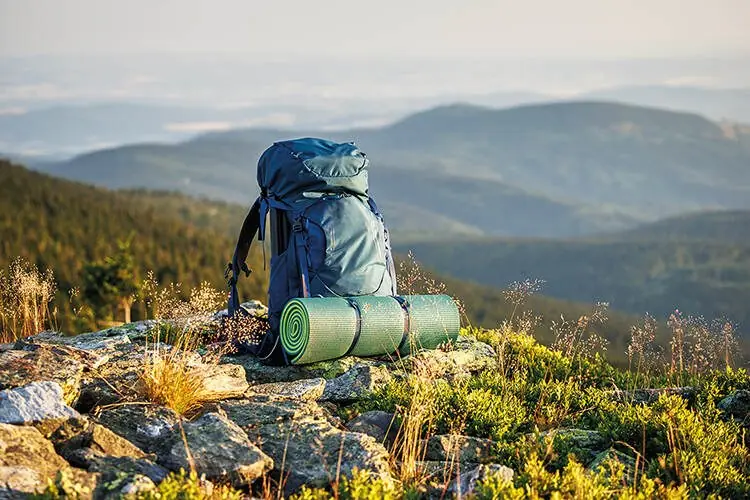
There are two cases: Overpacking and Underpacking. Both are considered general or common trekking mistakes that a beginner make while coming to Nepal. Many first-time trekkers pack ‘just in case,’ leading to heavy backpacks. Conversely, packing too few items, like less warm clothes and inadequate gear, is also risky.
Packing the wrong type of clothing, like cotton, is also one of the many common trekking mistakes a beginner makes. Implement a versatile cloth layering system. Weather in the mountains can change with no notice. So, properly layering the clothes can help you adjust accordingly.
Footwear and gear are also much-needed equipment. Sturdy and well-broken-in hiking boots help you to trek easily on the rugged terrains with elevations. Also include headlamps, a first-aid kit, trekking poles and other hygiene items.
How to avoid them:
- Prepare a packing and equipment list. Keep your packing within 30% of your body weight; over that, you might have difficulty trekking. Make sure that you have everything that you will need, no more, no less.
- Utilize multiple layers of clothing. Use moisture-wicking clothes as base layers, insulating mid-layers and a waterproof shell at the top. Having the multiple layers of clothing for specific purposes can help you adjust according to the unpredictable weather of the mountains.
- Wear hiking-ready, sturdy boots for rough terrain and pack basic cosmetics and first-aid kits. Having sturdy gear and accessories like trekking poles can be quite helpful, especially for elevating surfaces.
Common Mistake #4: Ignoring Health, Weather and Safety
Ignoring fundamental safety aspects while on the trail is perhaps the most dangerous yet one of the common trekking mistakes a beginner makes, demanding constant vigilance even if you felt adequately prepared beforehand. Never brush off symptoms of Acute Mountain Sickness (AMS), such as headache or dizziness; if you feel unwell, you must inform your guide and be ready to rest or descend immediately, as pushing through a dangerous phase can be fatal.
Beyond health, the Himalayan weather is notoriously unpredictable; you must Expect the Unexpected by packing for sudden rain or snow, even in peak season, and always check reliable weather forecasts and ensure your itinerary includes buffer days for storm delays.
Furthermore, prioritizing Safety First requires having essential safety gear, which includes carrying a local SIM or opting for a satellite phone for emergency communication, along with a fully stocked first-aid kit.
Finally, always listen to and follow the advice of local guides or village elders regarding avalanche or weather risk; if locals advise caution, do not push on. How to avoid common trekking mistakes
How to avoid them:
- Always expect the unexpected for weather changes like raining and snowing even during the peak season. Check the weather forecasts before your trek.
- Make sure that your trek itinerary has buffer days for proper acclimatization and adjusting during storm delays. Do not brush off any minor headaches or other health issues. Keep yourself checked with your guide before the trek throughout the journey.
- Prioritize Safety First within your gears. Be sure that you have safety gear and a fully stocked first-aid kit to be ready for any unforeseen events that may arise.
- Have means of communication ready. Communicate with your guide for a local SIM for wherever there is a network or opt for Satellite phone for emergency communication.
- Always listen to your guide or locals regarding various risks. Locals and guides will know the safety of the trek, so make sure that you follow their given advice to reduce the risk of anything happening.
Common Mistake #5: Guidance and Logistic Mistakes
Solo Trekking is prohibited in 95% of popular trekking regions like the Annapurna region and Everest region (as of 2026). They have strictly stopped any trekkers from trekking without any guide. This is done to discourage them from trekking independently, with increasing cases of missing trekkers, altitude sickness, and emergency and costly rescue services.
This type of common trekking mistakes generally occurs with first-time trekkers who do not have prior experiences with the region’s terrain. Whether you are hiring a personal guide or trekking with an agency, it is very important that you listen to your concerned guide. Failure to listen to Trek Leader, can lead to an accident or AMS, especially in rugged trails.
If you book with a trekking agency, your guide will take care of necessary paperwork such as TIMS and other permits. However, independent trekkers are responsible for officially securing these documents themselves. Failing to have the required permits may result in fines at checkpoints. Obtaining comprehensive travel insurance specifically including coverage for helicopter rescue.
How to avoid them:
- Hire a guide or join a group. Going solo trekking in Nepal is strongly discouraged and banned in almost all of the regions. Joining a trekking group can help you save your budget as well as keep you safe. Following the guide’s instructions is also extremely important, especially the rugged trails of Nepal.
- Secure all the necessary permits, like TIMS Cards and park permits, at the concerned offices to avoid any type of fines at the checkpoints.
- Book with licensed and verified reputable agencies, and compare prices within them to find the best option for you. Make sure to carry cash in Nepali rupees and an emergency fund to avoid any mishaps or budget traps
Common Mistake #6: Disrespecting Local Culture and Environment
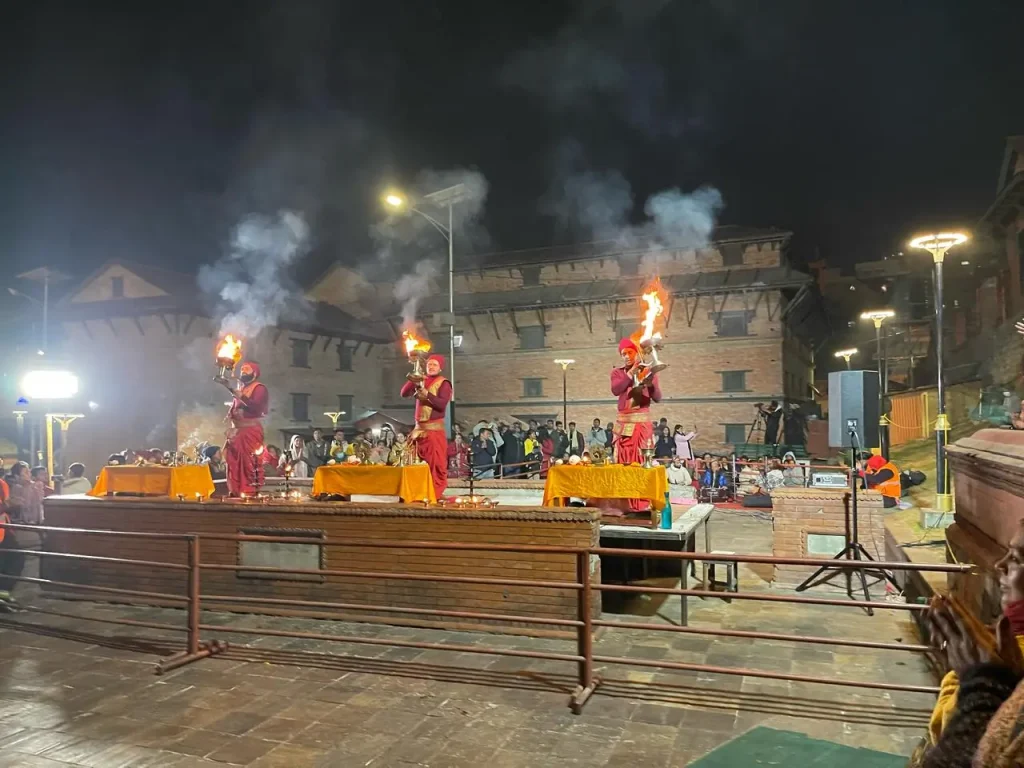
Nepal is a land rich in diverse cultures, traditions, and deep-rooted religious beliefs. The trekking routes often pass through remote villages, monasteries, and sacred sites where the local Sherpa, Tamang, Gurung, and other communities live. Disregarding local customs and disrespecting the environment is a significant mistake that can sour your experience and harm local relations.
Some of the common trekking mistakes that a beginner make is failing to respect local dress codes (especially when visiting monasteries or temples), taking photos without permission, or openly displaying affection can be offensive. Many areas are deeply conservative. Littering, using excessive plastic, or improperly disposing of waste (especially non-biodegradable items) severely damages the fragile Himalayan ecosystem.
Treating locals merely as service providers rather than engaging with them respectfully and acknowledging their culture. Loud or boisterous behavior in quiet mountain villages, especially during religious observances.
How to avoid them:
- When visiting religious sites, remove your shoes, cover your shoulders and knees, and walk clockwise around stupas or mani walls. Always ask permission before photographing people, especially monks or elderly villagers.
- Learning simple greetings in Nepali (“Namaste” and “Dhanyabad”) goes a long way in showing respect and appreciation.
- Carry out all non-biodegradable waste (like batteries and plastics) and use designated disposal bins where available. Opt for boiled water instead of disposable plastic water bottles.
- Stay in local tea houses and buy handicrafts or services directly from the communities to ensure your money benefits the local people.
Common Mistake #7: Financial Errors
Financial missteps are one of the redundant and common trekking mistakes that generally affects the first-timers in Nepal. It can quickly turn a budget-friendly trek into an unnecessarily expensive ordeal. This category encompasses everything from poor budgeting and cash flow issues to hidden costs and tipping etiquette.
Assuming credit cards or ATMs will be available along the high-altitude trails is a critical error. Cash is the only accepted currency in most tea houses and remote areas. Not factoring in expenses like permit fees, visa extensions, gear rental, compulsory guide/porter fees (post-2026 mandates), or emergency medical funds.
Not understanding the local custom of tipping (a standard practice for guides and porters) can lead to awkward situations or underspending on essential appreciation. Failing to exchange enough local currency (Nepalese Rupees) in Kathmandu or Pokhara, where rates are better, leading to poor exchange rates or transaction fees in remote areas.
How to avoid them:
- Withdraw a sufficient amount of Nepalese Rupees (NPR) in major cities like Kathmandu or Pokhara before starting your trek, as virtually all purchases and services on the trail require cash.
- Always include a financial buffer in your budget for unexpected delays, medical emergencies, or unforeseen equipment needs.
- Allocate 10-15% of the total trek cost for tipping your guide and porter, typically given at the end of the journey.
- Research and budget accurately for all required permits (e.g., TIMS card, National Park entry fees) and secure them early to avoid inflated on-the-spot costs or fines.
FAQs for Common Trekking Mistakes in Nepal
What packing mistakes should the first-time trekkers avoid in Nepal?
One of the common trekking mistake in Nepal is overpacking or missing critical gear or equipments. Mainly beginners often bring too many clothings and forget essntials. Pack versatile layers and only what you’ll use. Make sure to include sturdy boots and essentials like headlamps and first-aid kit.
How can I avoid altitude sickness on my first Nepal trek?
Altitude Sickness is dangerous but preventable. The key is to acclimatize properly. Ascend slowly with accordance to your guide and build in rest days. Never ignore the early symptoms like headache, nausea. If you feel unwell even in the slightest, stop the hike and contact with your guide.
What physical preparation do first-time trekkers need before travelling to Nepal?
Many beginners tend to overestimate their fitness. Evidently it is also one of the common trekking mistakes for many trekkers. Nepal’s trek are steep, so you will need specific training adhering to the needs of the trail. Keep in mind that ‘being in the shape’ is not enough, you will need to specifically train for your trail needs.
Do I need a guide for first Nepal trek, or can I go alone?
It is always encouraged to take a guide in your journey, especially if you are first time trekker in Nepal. In fact, 95% of the trekking regions requires a guide with you even if you trying to trek solo. Guide acts as a navigator and safety nets along your journey, especially if you are unfamiliar with the local language, guides helps you to communicate with local villagers easily and effectively.
What budgeting mistakes should first-time trekkers avoid?
Underestimating the cost, especially mountain area is a serious yet common trekking mistakes beginners make in Nepal. In the Himalayas, even basic goods and services get pricier at high altitude. It is essential to plan for daily teahouse costs ( $30-$40 USD/day) for various items like foods, drinks and amenities. Always carry Nepali currency, as there may not be ATMs within the trail. Whether you budget or luxury trekking, it is very essential to plan your budget accordingly for proper experience.


